Friday, 19 October 2012

Convolvulous


Convolvulous Hawk-moth Strumpshaw RSPB

An unexpected surprise, found upside down on the path next to the railway line!

Other highlights from the reserve included a peak count of 25 Willow Emeralds (Norfolk record?) the lingering juvenile Osprey, several large parties of Bearded Tits (50+) and almost daily Otter sightings. The Baillons Crake put in a brief showing at Rainham Marshes and the Short billed Dowitcher gave obliging views at Lodmoor.

Wednesday, 17 October 2012

22nd/23rd September

One of few weekends, where the weather was looking promising enough to encourage me to escape from the broads and head back up to the coast, was something of a mixed bag. Several good birds, but not the fall of common migrants that I had hoped for.   

Saturday started off with a Yellow-browed Warbler in the hand at Holme, accompanied by the Red-breasted Flycatcher performing in the nearby Sycamore.... unfortunately none of the 60+ observers staring into said tree, heard the Little Bunting which flew out behind them calling! After seeing it perched in the Brambles along the East bank and legging it back to the Obs, the bird had (off course) disappeared. A newly arrived Redstart, in the dunes towards Thornham Channel, proved to be something of a short lived hope than an afternoon arrival of migrants might have been on the cards, with a thorough search of the dunes yielding little more than a single Fieldfare and a flyover group of seven Brambling.

After a bonus Hawfinch, outside the bungalow at Snettisham, Sunday morning was spend in Burnham Ovary dunes, where after about two hours I had seen two, yes TWO, other birders. Either everybody else knew it would be rubbish, which it for some reason was (migrants at Gun Hill being represented by a sole Robin) or they were all at Holme looking at the Red-breasted Flycatcher! Good job that somebody else found a Booted Warbler next to the path on the way down. After a stop at Warham Greens to admire the male Red-breasted Flycatcher, the increasingly persistent rain called for a premature end to the day and a retreat back to Norwich for some much needed (and thoroughly enjoyable) steak and ale pie.

Sunday, 9 September 2012

The last six months...

Having spent the spring and summer at Titchwell I am now residing at Strumpshaw, as of late August, where I am spending another six months for the 2nd half of my RSPB internship.

Despite spending most days around the reserve, Titchwell failed to deliver a decent find (the reserves first confirmed Otter record in over 30 years turning out to be by far the most notable record!) with the best offerings being an offshore Black-necked Grebe, three Ospreys, a Roseate Tern and a Hawfinch. A moulting adult Black Guillemot was probably the best bird, with other highlights being three Cranes, a June Temminck's Stint, a spring male Pied Flycatcher and the wintering Arctic Redpoll. The Sheringham Alpine Swift and Cley Pacific Golden Plover were the best Norfolk birds from elsewhere (NW Norfolk having a virtually rarity free spring) with nearly all of the best birds being found further East along the Coast towards Cley.

A Black necked Grebe was a Snettisham Patch tick, where I finally managed to see a spring Garganey on Ken Hill marsh, but failed to get over and see the Golden Oriole (It only stayed SIX days!!) A self found White rumped Sand became my 3rd for Snetts, though a Juvenile Purple Sandpiper, present on the same high tide, was perhaps more of a surprise! A Silver-washed Fritillary was an unexpected (but always hoped for) find in Ken Hill wood, where White Admiral numbers appear to be going from strength to strength.

A productive spring visit to Dungeness more than made up for last years poor timimg (everything happening as soon as I had left) with a spectacular arrival of common migrants, overshadowing the Crested Lark and Red-rumped Swallow that appeared on the same afternoon a few days later. After seeing a Wood Warbler in the hand, a walk around the moat found Nightingale, Whinchats, Wheatears, Redstart, Spotted Flycatcher, Garden Warblers, Blackcaps, Willows, Chiffchaffs, Whitethroats, Lesser Whitethroats and another Wood Warbler. By the end of the day, the vegetation around the entrance to the heligoland must have held in excess of 150 warblers (mostly Whitethroats) constantly darting back and forth over the vegation, hopping on the bare shingle and filling the thinnest of bramble bushes..... to quote one local birder "ive not seen a fall like this since 1973" Two White Stork were another Dungeness tick and the female Kentish Plover showed well at nearby Rye Harbour.

Monday, 27 February 2012

Spring is in the air


Avocets Snettisham RSPB Aways a special treat to see the first ones back, even if we will see them every day throughout the summer!

With several pairs of Black headed Gulls laying claim to their summer nesting islands and the first returning Avocets, flocking together on the pits, it was easy to imagine that summer was only just around the corner. After recent landscaping work, with two of the spits flattened and a new island placed in front of Shore hide, the nesting Gulls and Terns will hopefully make the most of the new habitat and breed in even higher numbers. A very small passage of southbound Corvids and Siskin made for the first signs of overhead migration, and a single Pale-bellied Brent Goose was the first of the winter period.


Tundra Bean Geese Ken Hill Marsh Six of 13 birds feeding with the Pink feet.

After my first record in January 2011, followed by the 2nd in Dec 2012 and the two birds last weekend, it seems hard to believe that I spent the first eight years around Snettisham not seeing a Bean Goose! Woodlarks were making the most of the warm sunshine, with two birds singing over the fields on the edge of Ken Hill Wood, and three Yellowhammers were singing from the surrounding hedges.


Grey Partridge Female


Grey Partridge Male One of five pairs seen around Ken Hill Sunday morning

Monday, 20 February 2012

Feb Half term

A mixed week of weather with bitterly cold temperatures and fresh snowfall resulting in a significant increase in the number of Woodcock, with three birds watched from the kitchen window feeding together in the field at the back of the garden, and a total of 72 birds seen coming out to feed on Ken hill Marsh on the evening of Friday 10th. Prior to last week I had been seeing a fairly consistent average of about 10 birds on each evening visit; much lower than the previous winter, when the heavy snow bought large numbers to the coast at the beginning of the year. In a similar pattern to last winter numbers started to drop, once the snow had begun to thaw, and more areas were opened up for feeding.


A foggy afternoon at Heacham South Beach


Lapwings making the most of the snow free footpath on top of the inner bank at Snettisham Coastal Park

An immature drake Smew, close inshore off of the RSPB reserve, was only my third Snettisham record, on a morning that was so cold (-16 overnight in Holbeach) that the feathers of sleeping Lapwings, Geese and Ducks were all coated in frost! Three Goosander flew south and a Ross's Goose was seen with the Pink Feet on Ken Hill Marsh, that afternoon.

Ross's Goose Ken Hill Marsh

An excellent seawatch off of the coastal park, on the morning of the 12th, produced a record count of Red-throated Divers, with the heavy fog resulting in a total of 115 birds moving North out of the Wash. A Great Northern Diver was only my third Snettisham record, and two Slavonian Grebes (my first multiple sighting) were a most welcome sight after only two previous, and rather distant, records. Backup was provided by Six Little Gull, two Razorbill, and 354 Common Scoter (North)

An equally productive seawatch off of Holme (14th) came up with three Great Northen Divers, two Slavonian Grebes, a single Red-necked Grebe, a close drake Scaup and at least one Long-tailed Duck, whilst a redhead Smew dropped into Broadwater late afternoon.


Tundra Bean Geese Two of Five, in fields East if Ringstead village


Tundra Bean Goose Ken Hill Marsh One of two birds

Only my 3rd and 4th Patch records, and the first that I have seen with the Pink feet on Ken Hill.... finally!

Other highlights from the week included 11 Hawfinch at lynford, feeding in the Alder trees on the edge of the lake, and the Titchwell Arctic Redpoll which showed well in the Alders around the Picnic area. A walk from Sedgeford to Holme produced 47 Corn Bunting (two flocks) and a Little Owl at Courtyard farm, as well as good numbers of Yellowhammer and Grey Partridge, and an abundance of singing Skylark. At least six Woodlark were still present around Ken Hill Wood, and a circular walk from Snettisham village to Sedgeford and back yielded a total of at least 65 Grey Partridge, mostly within a walking distance of not much more than half a mile.


Arctic Redpoll Titchwell Good views with the scope but terrible light conditions for any pictures


Woodlark Ken hill Wood Two birds were heard singing by the end of the week

Monday, 6 February 2012

Hampshire


Dark-eyed Junco Hawkhill Enclosure

A day out and about around the New Forest thanks to the generous company of Sharon O'Reilly who I first met on the October ringing course at Eccles, East Norfolk.

After a picturesque morning drive through the frost covered heaths, we arrived at Hawkhill enclosure, where after a relatively short wait, the Dark eyed Junco showed at close range feeding on the seed that had been put out that morning. An excellent support cast was provided by a flock of six Woodlark, numerous Crossbills, singing and displaying from the nearby pines, and a mixed herd of Sika Deer which crossed the path into the open clearing.


Spanish Sparrow Calshot

After failing to find the Sparrow mid morning we returned in the afternoon, where it was located along the main road opposite the entrance to Calshot Close, staying in the hedge untill at least 16:30, roosting on its own amongst a section of Ivy covered Hawthorn.

Saturday, 28 January 2012

From the archives


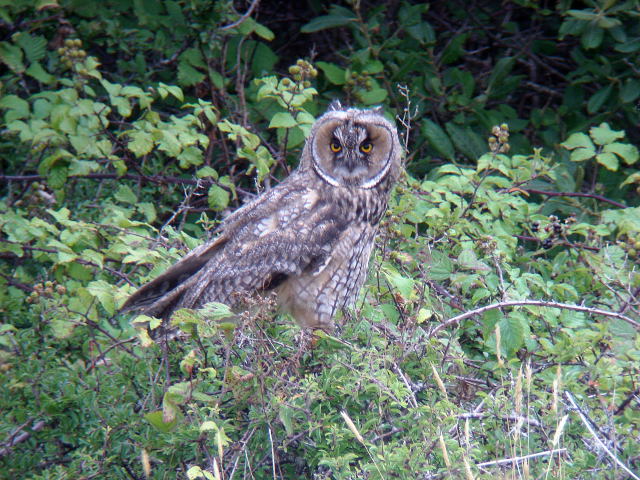
Long-eared Owl Dungeness

A recently fledged bird (feather down still visible on head) that I found amongst the open scrub on the eastern side of the Long pits, in early August 2008. Walking alongside one of the clumps of mature sallows, I had to stop myself in my tracks, when I glanced to my right and saw the bird sat on top of the low Blackthorn scrub not much more than 10 feet away!

After raising my bins and slowly creeping backwards, I was able to watch it, still at fairly close range, as it shuffled around on the tops of bushes and made short flights between the stands of willows.


Juvenile Yellow-legged Gulls Dungeness

Tuesday, 24 January 2012

Strumpshaw Fen


A view from Fen Hide (Note the Black Swan on the left hand side of the picture)

A day out at Strumpshaw Fen for an RSPB internship interview, with the added bonus of what was only my second ever Otter sighting, seen swimming behind where the two Mute Swans can be seen in the above picture. After completing the circuit of the reserve (and getting rather muddy in the process...) I returned to spend a few more hours in the hide, with the best offering being a close fly past by a female Hen Harrier. Despite sticking it out untill dusk, the Starling roost failed to appear in any sizeable numbers, with just a couple of small flocks coming in over the main reedbed.

Sunday, 22 January 2012

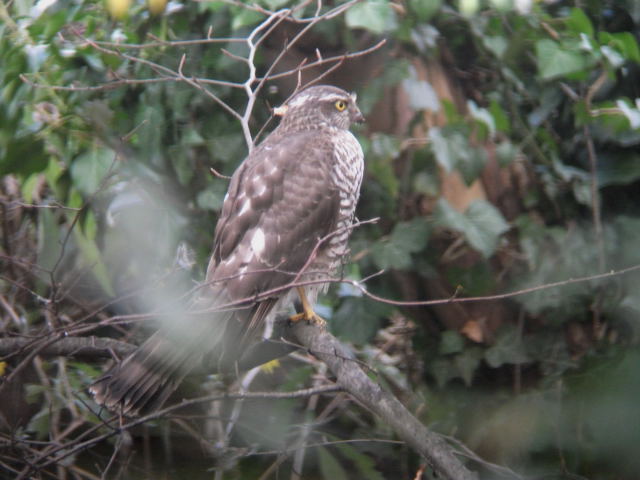
Sparrowhawk


A young bird which paid a brief visit, sat in the Beech trees at the back of the garden.

Wednesday, 18 January 2012

Moths

Check out the Moths page for a selection of new images (239 Macros recorded from the Snettisham garden last year!)

Tuesday, 17 January 2012

January 14th -15th


Looking out from the inner bank across Ken Hill Marsh

A glorious weekend of light winds and largely clear skies, reminiscent of the early spring days that you hope for in February or March. Saturday was spent around Snettisham, with an early morning look at a calm sea producing six Red-throated Diver, five Eider, an adult Kittiwake, two Guillemot and a single Razorbill, with a group of four Bewick's Swan flying South overhead.

An afternoon exploration of Ken Hill Wood yielded two pairs of Nuthatch, at least five Treecreeper, three Marsh Tit, a single Woodcock, and a mixed flock of Goldfinch, Siskin, and Lesser Redpoll feeding in the Larch Trees close to the main road. Twelve Woodcock were seen late afternoon, coming out to feed, and at least 17 Bulfinch were recorded throughout the day.

Sunday morning started out at Snettisham, with at least 5 Grey Partridge heard calling in the half light on the way through to Hunstanton, where an adult Black-throated Diver, developing traces of striped breeding plumage along the flanks, gave excellent views from the cliffs feeding close inshore. A Red necked Grebe and an Egyptian Goose (!) flew south and three close Velvet Scoters flew North.


Black -throated Diver My 5th Norfolk record of the autumn/winter period!

Holkham produced decent views of both the Rough-legged Buzzard and four Shorelark, though the sea proved disappointingly quiet, despite the ideal viewing conditions, with just two Great Crested Grebes, three Red-breasted Mergansers and a single Eider on the sea, as well as the usual Scoter flock. A ringtail Hen Harrier was hunting the grazing fields to the East of the pines and 25 Barnacle Geese were seen in flight with at least 250 White fronts.

The Coues's Arctic Redpoll showed on arrival at Titchwell, feeding in the alders alongside the main path, and a Short eared Owl was perched on top of one of the roadside hedges between Chosely crossroads and Docking village on the way back to Snettisham.


A view from the sea wall at Burnham Ovary dunes looking back towards Holkham Park

Tuesday, 10 January 2012

Buckenham Marshes

In contrast to the Snettisham bird, which spent all of its time hanging around with the local Greylags, the track record of the Yare Valley, and the birds choice of company (permanently attached to the flock of Taiga Bean Geese) gave the Buckenham Lesser White-fronted Goose as good a credentials as anyone could ask for. Its appearance last winter resulted in it becoming the first accepted British record since the Juvenile at Slimbridge in 2003.

Despite being present with a mixed flock of Taigas and White fronts when we arrived, the dips and hollows of the grazing marshes were enough to conceal the bird throughout the morning. Looking east from the track made viewing conditions somewhat challenging, with the choice of either viewing from nearest the railway line (closer to the birds but looking into the sun) or viewing from the car park at the end of the track (greater distance but viewing under better light) By mid day the sun had moved around enough to improve viewing conditions from the start of the track, where the Taigas had gradually come closer throughout the morning.

At Ranworth Broad, the female Ring-necked Duck showed well with the small flock of Pochards and Tufted Duck, before swimming out to the middle of the broad and flying off towards the main body of water. My first sighting of a female, having seen five different drakes. Arriving back at Buckenham the adult Lesser White-fronted Goose was showing on arrival, feeding with the Beans Geese close to the railway line. Not as close as it could have been, but still better views than a lot of people will have had, and near enough to make out most of the necessary features. Two Chinese Water Deer were running across the fields and a Bittern make a very brief flight appearance, whilst the skies were filled with flocks of swirling Lapwing and golden Plover, possible as a result of the two lingering Peregrines.

As the light bean to fade, several large flocks of Starling made their way across the grazing fields, heading towards the main reedbed at Strumpshaw RSPB, and the first waves of corvids appeared in the distance, heading for the fields behind the car park, where they would roost in the woodland opposite the church. After turning the field into a solid black mass, a second flock, numbering something close to 20,000 birds, appeared over the woodland, looking towards Strumpshaw Fen. With numbers now at their peak (70,000?) the birds from the fields began to lift, joining the flocks already swirling in tight clusters over the woodland, untill the fields were clear of birds, and the skies were turned black with crows.

Saturday, 24 December 2011

Christmas Holidays

With the previous weekend spent visiting relatives in Yorkshire, it was back to Norfolk for the last visit of 2011, and the final chance to fit in some last minute year ticks. The majority of time was spent at Snettisham, mostly around the RSPB reserve, where the flock of Barnacle Geese increased to 27 birds, and the adult Lesser white front remained in the company of Greylags. Three additional Barnacles were seen roosting with the Pink feet, and an adult Black Brant was seen on two occasions with the Brent flock, coming to bathe at the southern end of Wolferton creak early morning. A new Scaup appeared on the pits along with a drake Red breasted Merganser; an increasingly scarce bird and the first that I've seen on the pits for at least two years.


Black Brant Snettisham RSPB

A Great Skua, seen off of the Coastal Park, was a late patch year tick, with two Velvet Scoter and at least three Little Gulls also present offshore. The most unexpected sight was provided by a juvenile Shag, actively feeding in the bay directly below Sanctuary hide, though a flock of nine Woodlark, seen on the edge of Ken Hill Wood, was perhaps equally surprising. Local breeders, or birds from elsewhere? Seven birds were still present by the end of the week.


Shag Snettisham RSPB

The first that I have seen on the pits, and the final patch tick of the year, bringing the 2011 total to 182. Not bad going when you consider that its all %100 self found. Red Kite, Montagu's Harrier and Razorbill were perhaps the most obvious gaps in the list, whilst the sea failed to deliver the decent autumn seawatch that I had hoped for. Patch ticks this year were provided by Tundra Bean Goose, Hooded Crow, Arctic Tern, Manx Shearwater, Roseate Tern and White-rumped Sandpiper.

Highlights from elsewhere included a Black-throated Diver and Red-necked Grebe together on the sea off of Hunstanton and an excellent count of at least 70 Tree Sparrow at Abbey Farm Flitcham, whilst an adult Yellow legged Gull roosting at Titchwell did its best to make up for the absent 1st winter Caspian Gull. What was more disappointing was missing the adult Iceland Gull that paid a brief visit to the fresh Marsh, whilst I was huddled down on the beach scouring the swarm of gulls feeding along the tideline.


Waxwing Snettisham Coastal Park

One of two feeding on Hawthorns


Tree Sparrows Flitcham

Monday, 5 December 2011

Peeps and Partridges

No prizes for guessing the first port of call this weekend... After feeding out of view on Pats Pool, the Western Sandpiper flew to Simmons Scrape, where it twice came to the near edge of the closest island; not quite as close as it was for those viewing from Daukes hide ("incredible views!"), but close enough for a detailed look. The Green-winged Teal stayed hidden (in fairness I didn't give it that much of an effort...) but a mid morning seawatch proved very productive, with the highlights being a close in (mostly submerged) Black-throated Diver and a single Little Auk flying West. An excellent supporting cast included a drake Goosander West, single Great and Arctic Skuas, a late Sandwich Tern, several Little Gulls and Kittiwakes and good numbers of Guillemots, with several very close Gannets and Red-throated Divers.

An afternoon visit to Burnham Norton (viewing from the roadside pull in) was rewarded with good views of one of the Rough-legged Buzzards over the fields on the South side of the road, with either it or another seen over the grazing marshes later on. A male Hen Harrier flew out towards the marshes and a ringtail flew inland late afternoon, presumably heading off to roost, along with three Marsh Harriers that came up off of the grazing fields, where a single Pale-bellied Brent Goose was with the large Brent flock. At least two Lapland Buntings were with Skylarks in the roadside fields, that also held a group of 15 Grey Partridge.


Grey Partridge Sedgeford

Having found out about a decent mixed flock of Finches/Buntings close to Ringstead village, I decided to spend Sunday walking from Snettisham, via Sedgeford and Ringstead, finishing at Obs at Holme, to try and locate any winter finch flocks. The number of Grey Partridges seen en route provided the highlight of the morning, with at least 40 birds (groups of 12, 5, 14, and 9)seen in one field opposite Sedgeford village. Several thousand Pink feet, viewed from the peddars Way footpath looking back towards Docking, held two Barnacles and a single Tundra Bean Goose, and at least 10 Lapland Buntings gave good scope views on the deck, with about 20 Corn bunting and 80 Skylark. A final group of 12 Grey Partridge, between Ringstead village and the top of the road leading down towards Drove Orchards, brought the days tally to an impressive 103 birds.

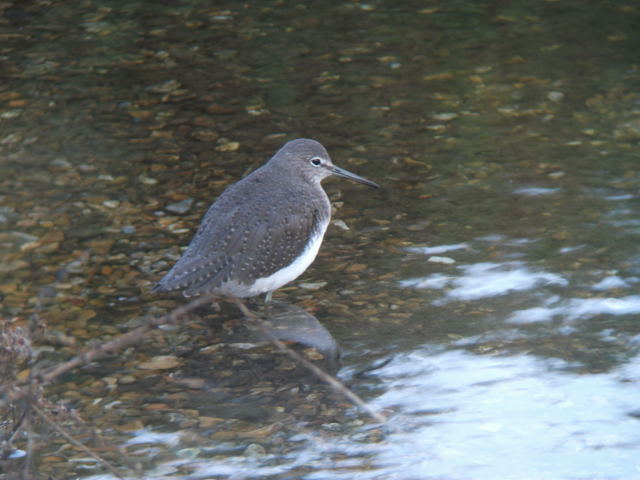
Not having to leave until Monday afternoon, I took full advantage of the extra morning, with an early visit to the RSPB reserve in order to look through the roosting Pinks in case of any extra hangers on. Luckily the birds were reasonably close in on the mud, though the bitterly cold wind managed to make make for somewhat uncomfortable viewing conditions, with a lone bramble bush doing its best to provide shelter! After being flushed by helicopter, off the fields opposite the pumping station, a flock of at least 50 White fronted Geese dropped down into the pits where they gave good views from Sanctuary hide amongst the large number of Greylag Geese. At least 12 Barnacle Geese were on the nearest island, along with the adult Lesser White-fronted Goose, first seen November 19th and still associating with Greylags, but were all overshadowed my 2nd Snettisham Tundra Bean Goose. White fronted Geese totaled 61 birds and a Green Sandpiper was feeding below the hide.


Tundra Bean Goose Snettisham RSPB
My second Patch Bean Goose, following my first record at the beginning of the year


White fronted Goose Snettisham RSPB An anual winter visitor but normally in much lower numbers


Lesser white-fronted Goose If I hadnt seen it before with Greylags, and it had been sticking with White fronts I might have been rather more exited!


Green Sandpiper Snettisham, RSPB

Wednesday, 30 November 2011

The end of Autumn

After the calm autumn weather of the previous week, it was something of a return to winter with low temperatures and blustery winds throughout the weekend. Saturday was spent at Snettisham searching the fields behind the inner bank in the hope of locating the Dersingham Rough legged Buzzard, with highlights for the day including 13 Barnacle Geese, two of the three female Scaup, 60 Snow Buntings and a single Peregrine. After searching the fields between the pits and the A149, it would seem that the most suitable vantage point (assuming that the bird heads out towards The Wash to feed) would be the narrow section of inner sea wall that leads to the pumping station at the southern end of the reserve.


Mealy Redpoll Titchwell RSPB

More obvious in the field, with the low evening sun enhancing the brown colour tones.

After an unsuccessful Bittern watch at Holme I caught the bus to Brancaster, to walk the section of coastal path towards Burnham Deepdale, in the vague hope of locating any Twite. Needless to say that I failed to see any (are there any reliable sites left on the North Norfolk coast other than Titchwell??) with two White fronted and four Barnacle Geese, feeding in the grazing fields opposite Brancaster golf course, providing the highlight of the walk. An afternoon visit to Titchwell produced an obliging Mealy Redpoll, feeding in the Alders behind the feeders, a ringtail Hen Harrier over the reedbed, and an Arctic Skua causing panick over the fresh marsh, with excellent numbers of Teal and a steady procession of Gulls and Lapwings coming in to roost.

Monday, 21 November 2011

Owl fest

A glorious weekend with clear blue skies, warm sunshine and, at times, hardly a breath of wind. Saturday morning was spent at Snettisham to catch the early morning departure of Pink footed Geese leaving The Wash, with the additional bonus of an adult Ross's Goose leaving the roost; the first one that I've seen at Snett that could vaguely be considered a genuine bird. A flock of 37 White fronted Geese were in the fields opposite the pumping station behind the inner bank, along with 19 Barnacle Geese, (not the regular feral flock) whilst two Purple Sandpipers on the pits bought up 180 for the Snettisham year list. Back in July I though that I stood a reasonable chance of reaching 190, but after only three patch year ticks throughout September and October (Wood Sandpiper, Whinchat and Merlin) I will need a fair bit of luck to reach my original target of 185.


Scaup Snettisham RSPB

Three Female Scaup showed well on the pits, between the southern end of the challets and the first hide, and a drake Goosander flew south past the sailing club spit, with 55 Snow Buntings feeding on the beach. A count of 13 Little Gulls feeding offshore from the Coastal Park was perhaps not too unexpected, with birds seen on a daily basis feeding just around the coast off of Holme, but was still an excellent figure, roughly doubling the number that I had previously recorded. Two Short eared Owl were hunting Ken Hill Marsh (also seen Friday afternoon) and at least 10 Woodcock were counted coming out to feed on the grazing marshes.


Barnacle Geese Snettisham RSPB

The highlight of the weekend occured Sunday afternoon, with a walk down to thornham Harbour revealing a Short eared Owl sat in the set aside fields beside the bank. Showing the bird to some passers by we watched a 2nd bird fly in and chase it off of the ground, followed in quick succession by the appearance of a 3rd, 4th and the 5th bird! With the sun still shining the birds put on an excellent display, spending a lot of time flying high over the fields, indulging in regular aerial scraps, both with Marsh Harriers and one another, where they were surprisingly vocal (somewhat like a muffled Grey Heron) With the exeption of the group of five that flew west offshore earlier on in the autumn, this was the highest number of birds that I have seen together at Holme (Five birds eventually became Six) in what has been one of the best Autumns/winters for Short eared Owls that I can remember. Lets hope the numbers continue to build!


Broadwater Holme